








-p-500-p-500.avif)
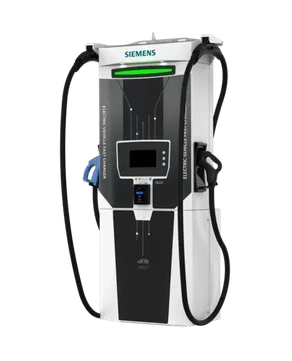


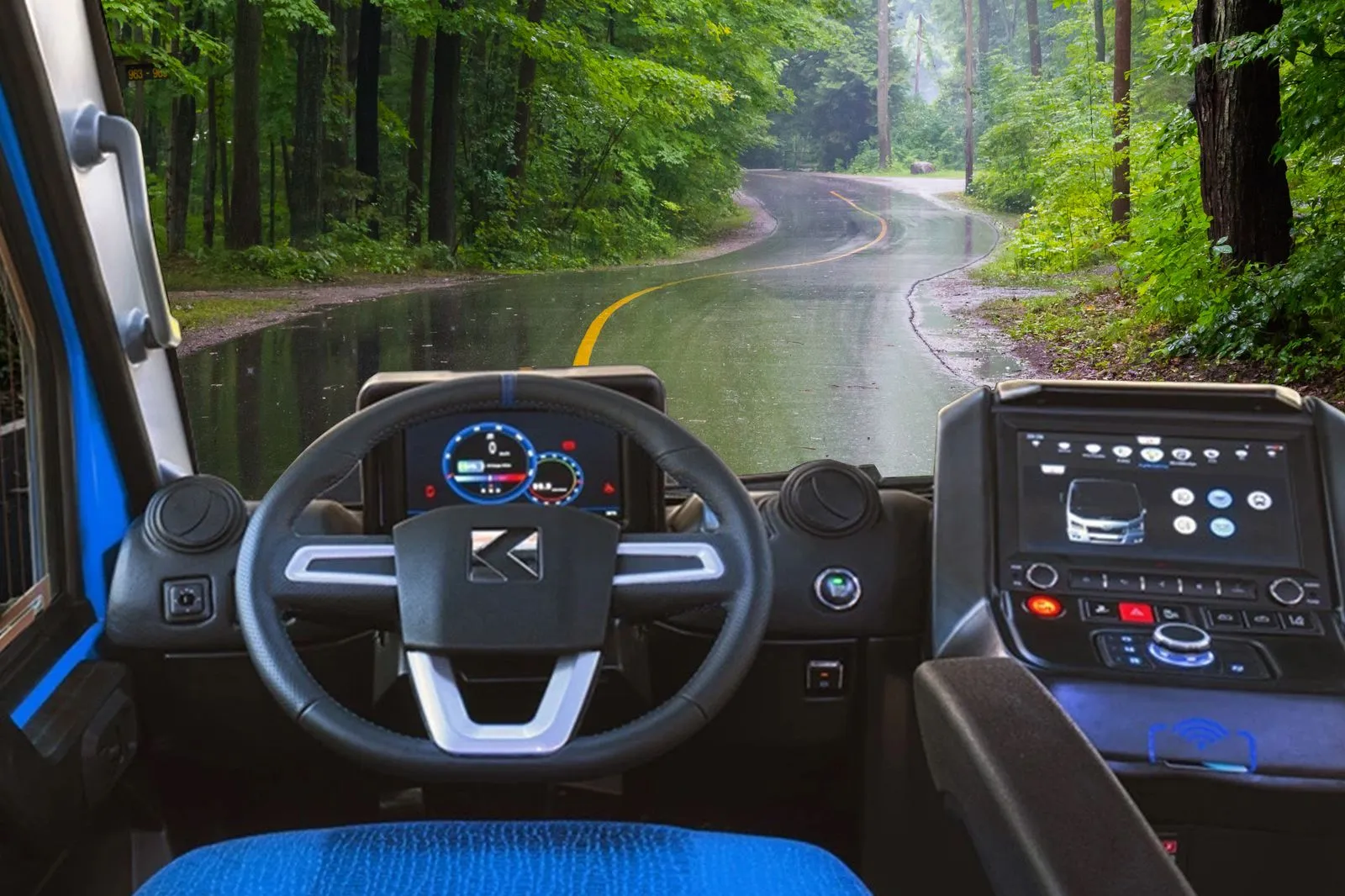
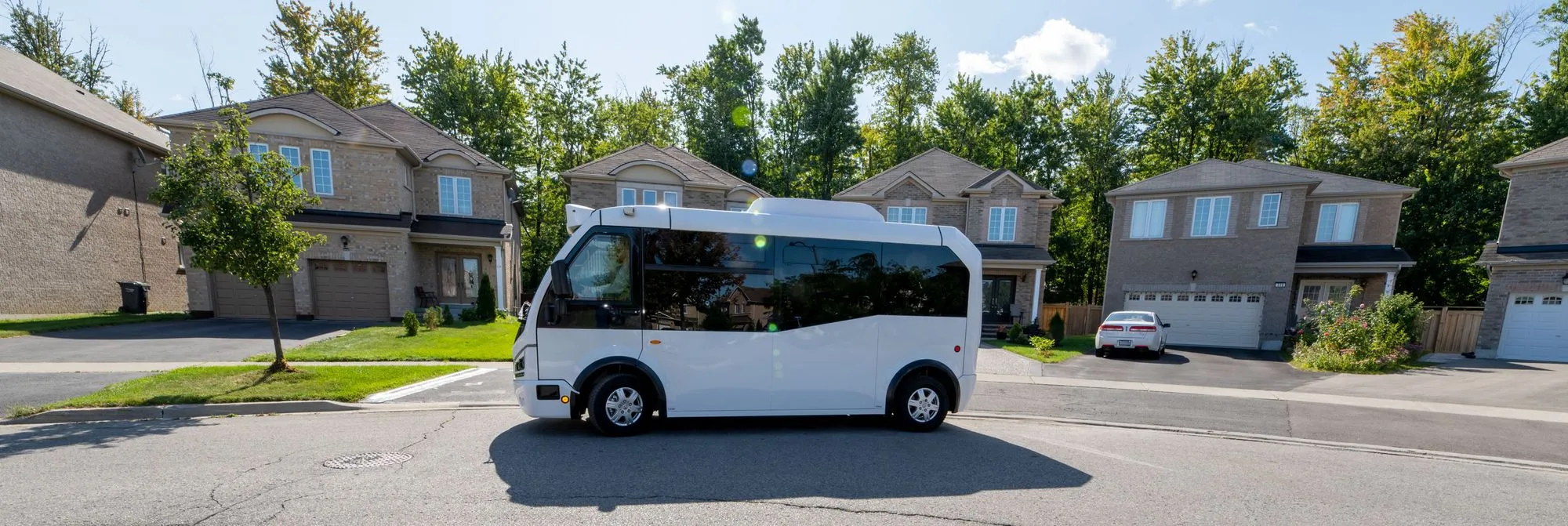

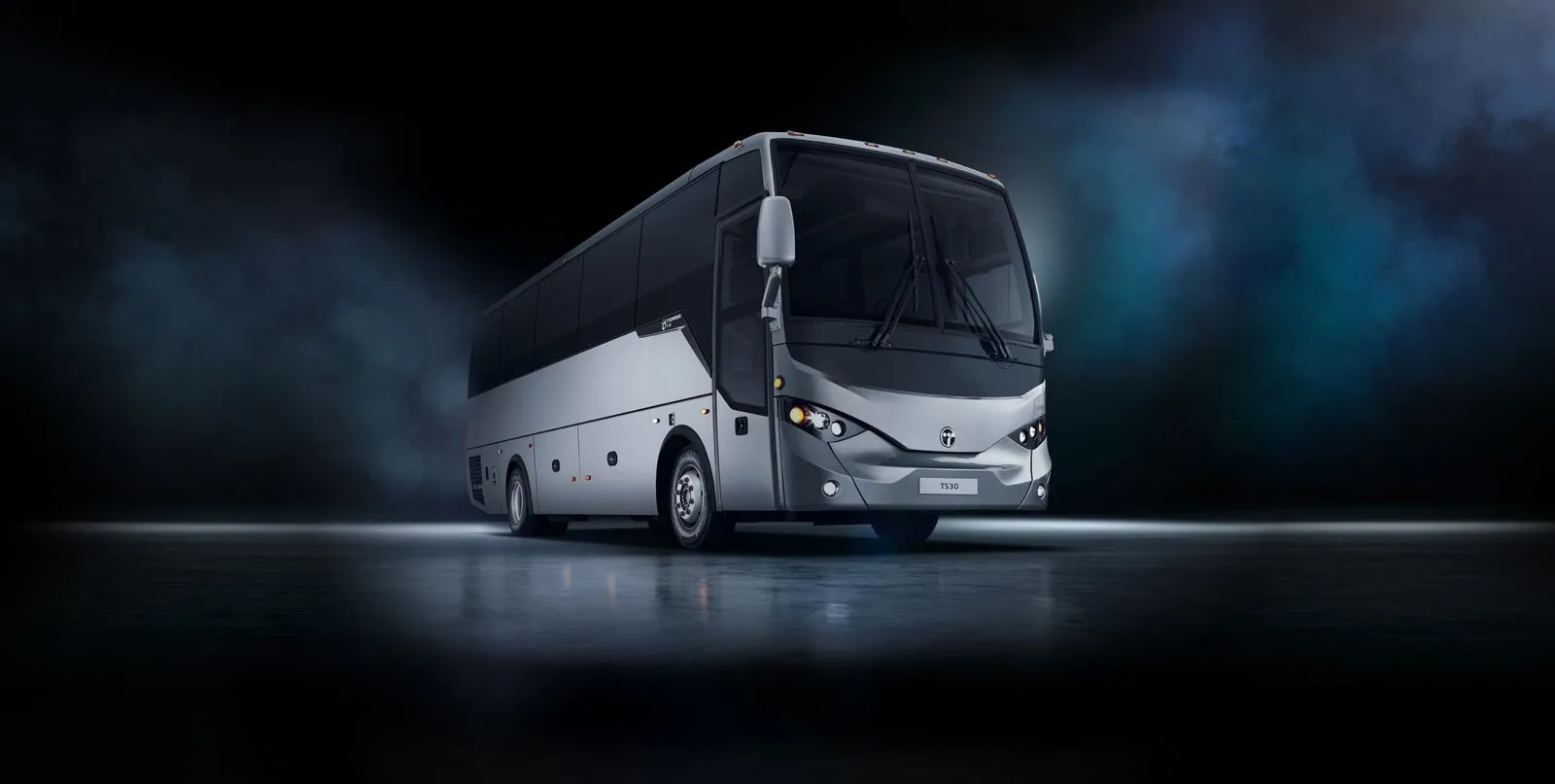







All Chargers
Explore all charging options on one page
TUV Level 3
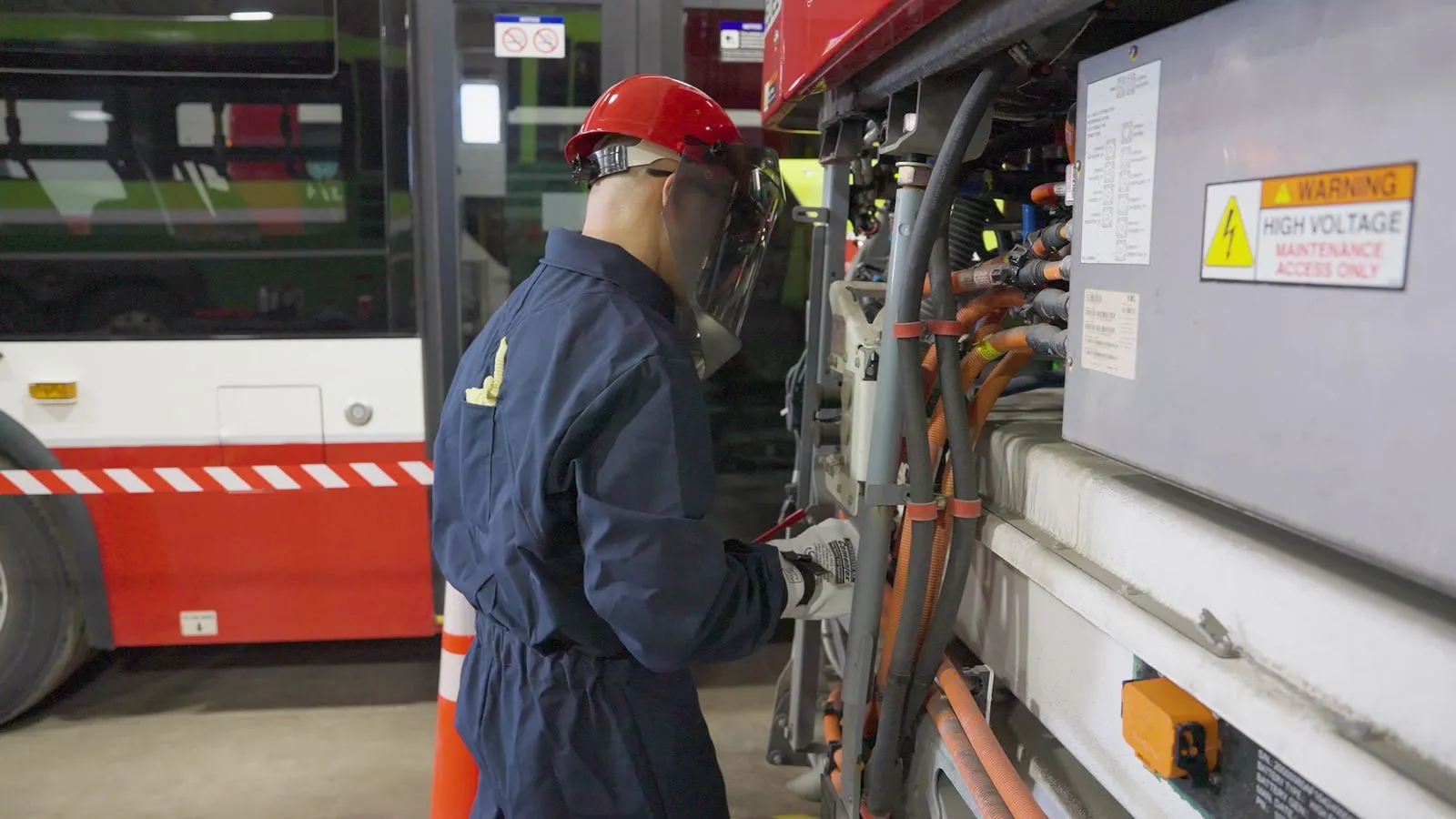
High Voltage Training

Work safely and effectively with high-voltage systems
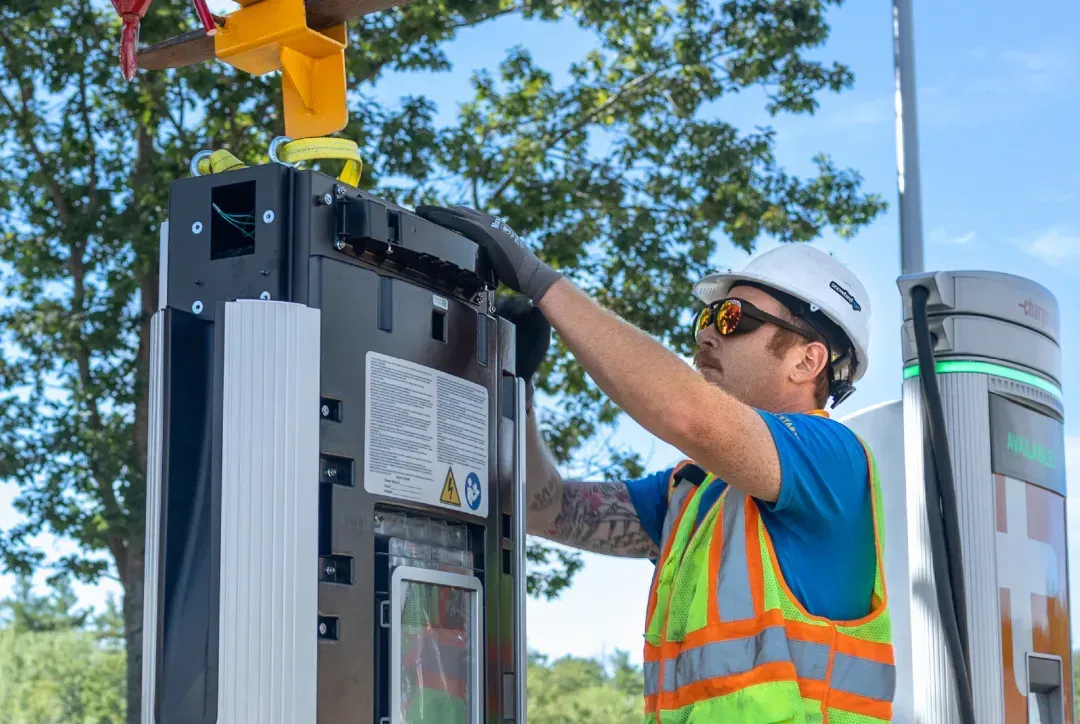
Charger Installation
Contributes to the seamless integration of electric vehicles
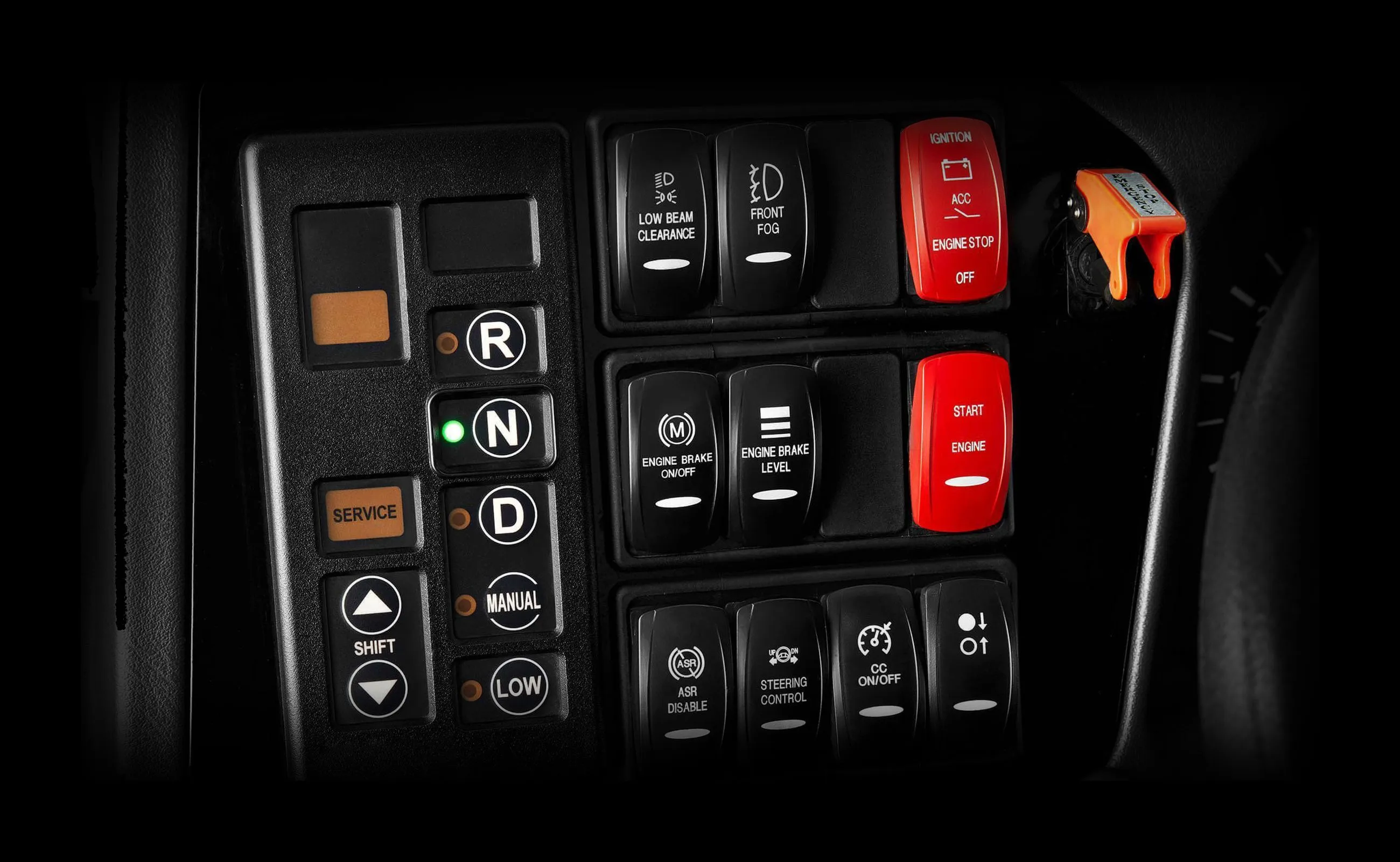
Electrical Engineering
Get your skills in electrical engineering tailored to the transit industry
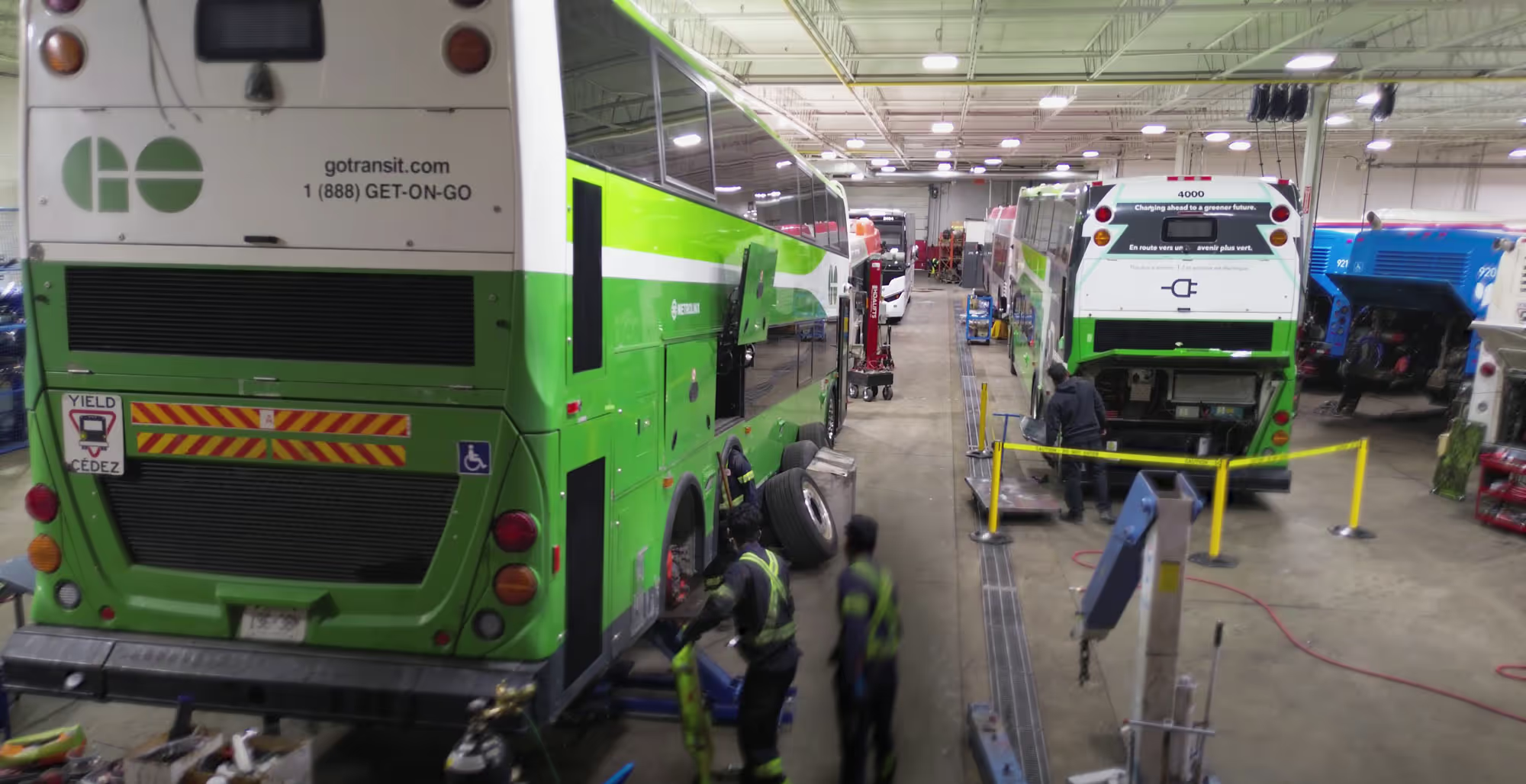
Bus Service (MBCT)
Comprehensive bus service ensuring reliable maintenance, repairs, and safety compliance.
There is no previous post
Previous Post
Next Post
There is no next post
The Reality of Powertrain Sustainment in Modern Military Fleets
No items found.
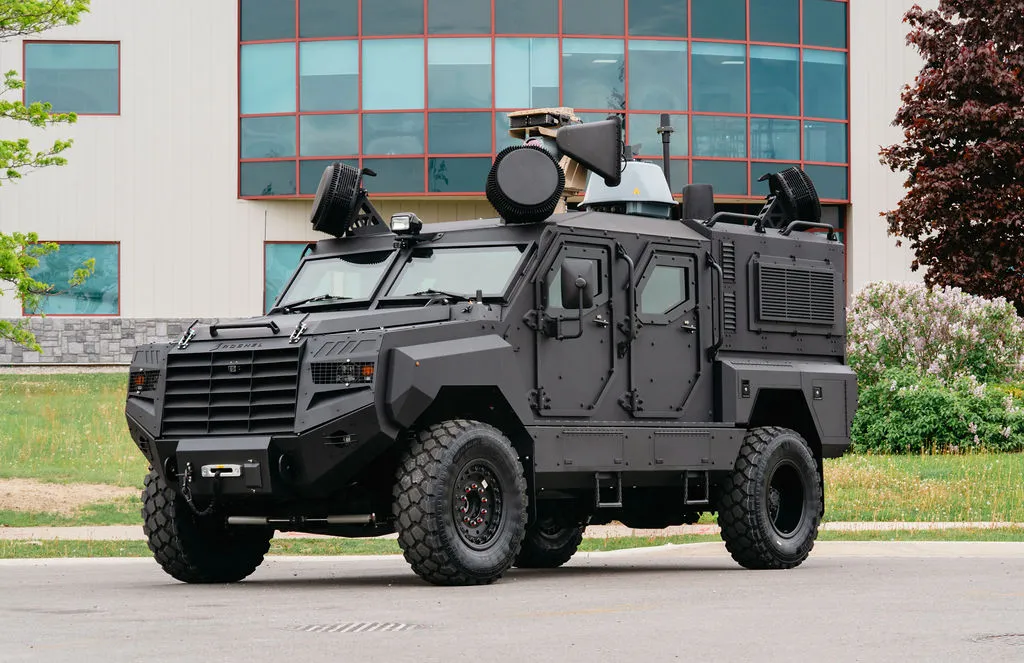
For military fleet leaders, sustaining predictable mobility has become increasingly complex. Ground platforms are operating well beyond their original service assumptions while missions grow more demanding and procurement timelines remain constrained.
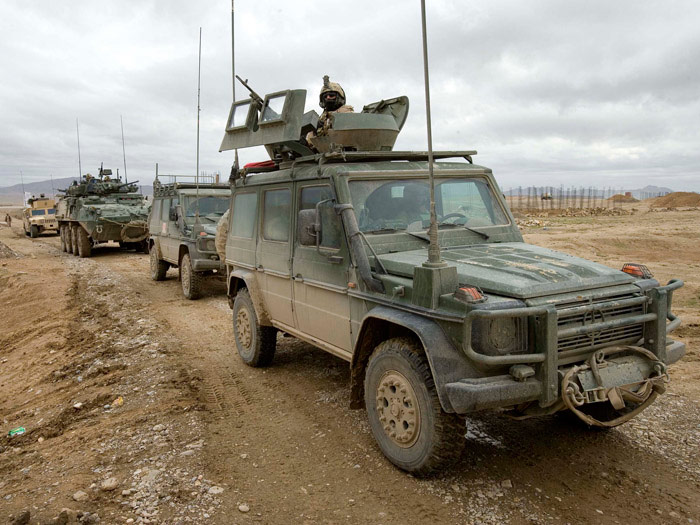
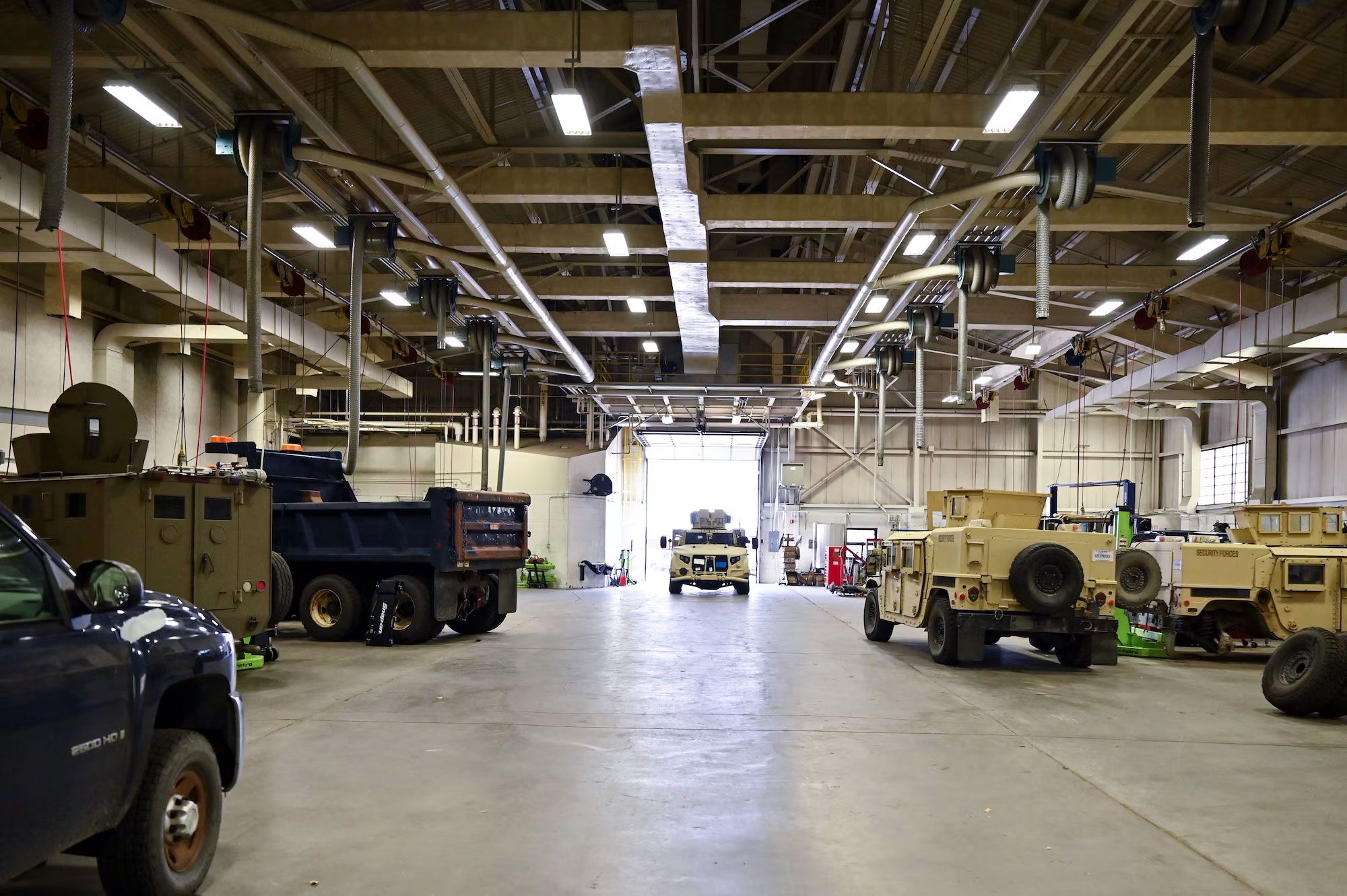
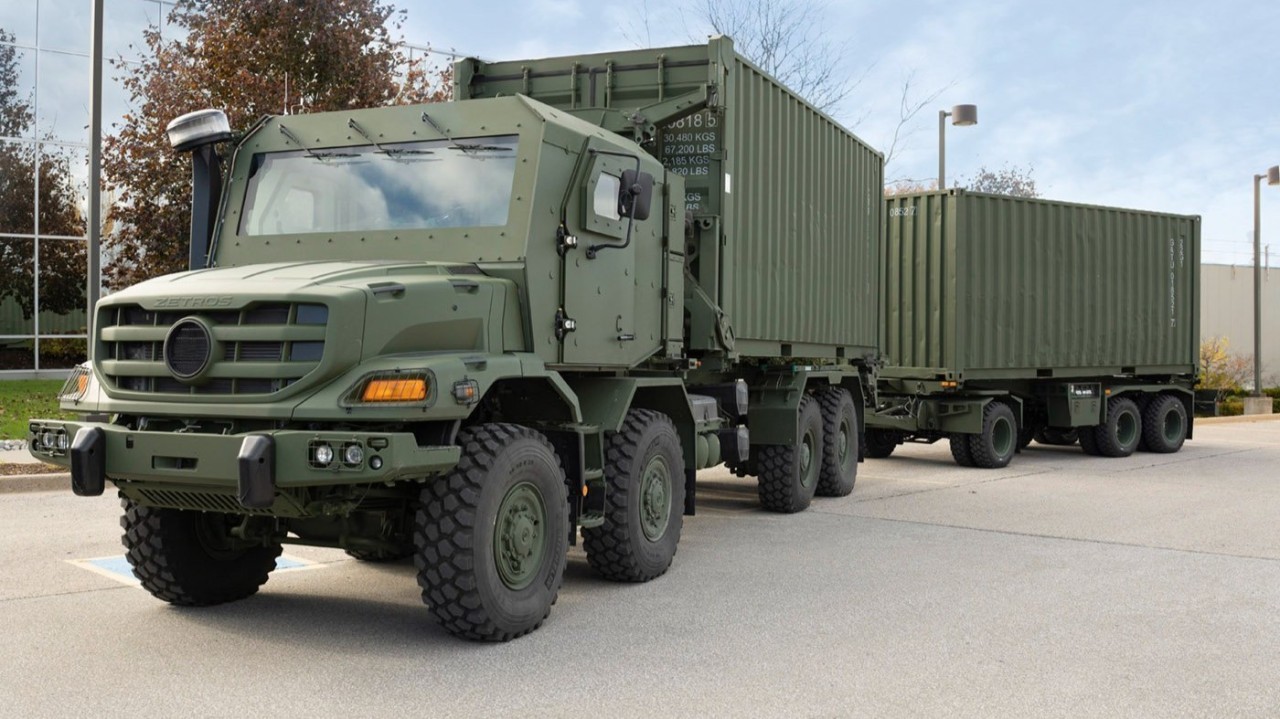
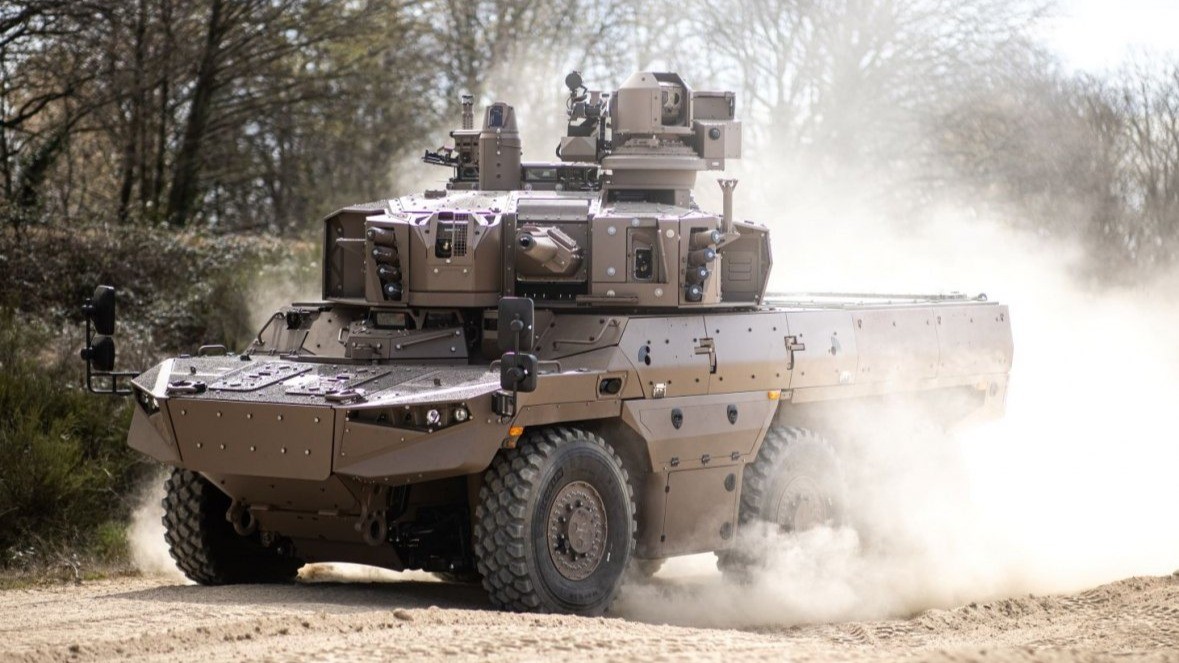
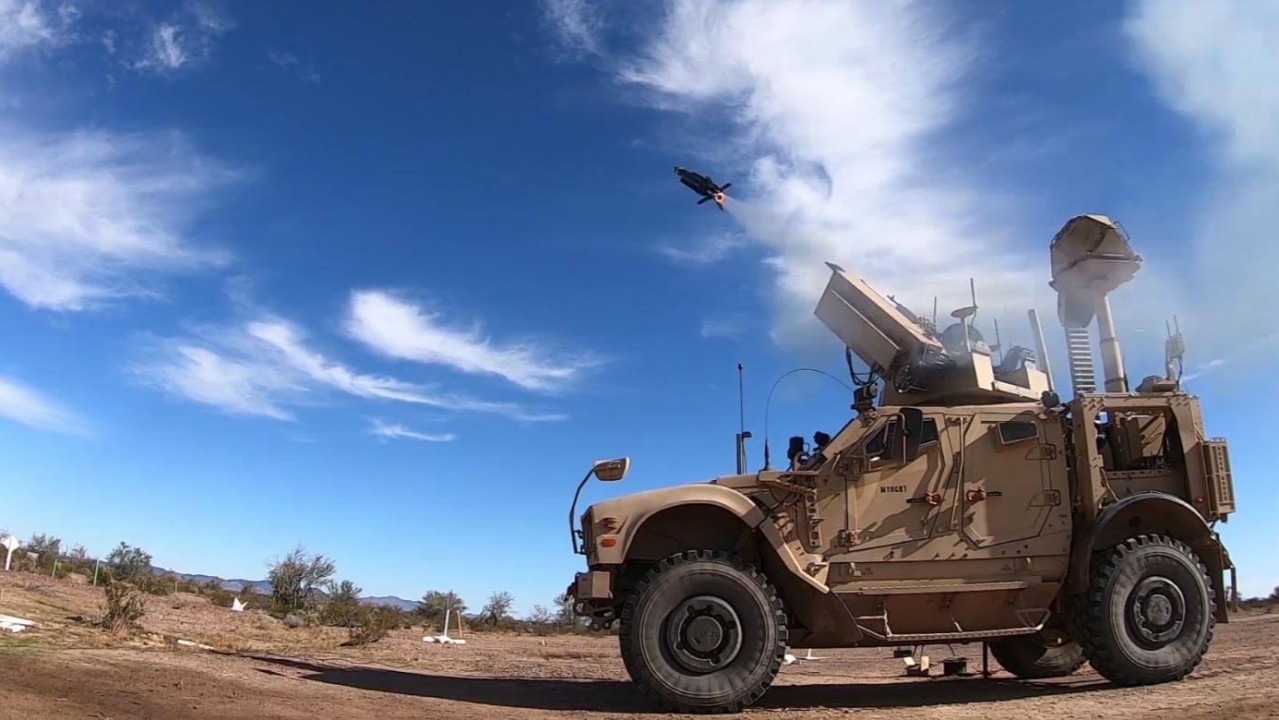
Across Canadian and U.S. fleets, many vehicles remain deeply embedded in logistics, training, and operational structures. These platforms are proven and familiar—but their powertrains, drivetrains, cooling systems, and electronic controls are now under sustained mechanical, thermal, and operational stress. As a result, reliability and mission confidence begin to erode.
This is where focused powertrain sustainment becomes critical.
Why Powertrain Degradation Becomes a System-Level Problem
As vehicles age, powertrain wear rarely appears in isolation. Loss of power, overheating, erratic shifting, driveline vibration, and electronic fault codes often surface together—especially under heavy load, extreme temperatures, and extended duty cycles.
In many cases, degradation begins subtly:
- thermal imbalance
- calibration drift
- torque mismatch
- cooling inefficiency
Over time, these issues cascade across the propulsion system. Addressing them through isolated part replacement may provide temporary relief, but it rarely restores long-term reliability.
What aging fleets require is system-level powertrain engineering—not reactive repairs.
The Operational Pressures Maintenance Teams Face
As platforms mature, maintenance organizations are increasingly expected to:
- Sustain aging powertrains in harsh operating environments
- Support mixed fleets with multiple OEMs and configurations
- Diagnose failures spanning mechanical, thermal, and electronic domains
- Modernize selectively without disrupting operational tempo
- Manage tightening parts availability and widening skills gaps
At the same time, many defence organizations lack unified visibility into maintenance cost, failure patterns, and lifecycle performance. Gaps in data integration, contracting oversight, and long-term tracking make it difficult to anticipate degradation or plan refurbishment cycles with confidence.
In this environment, disciplined powertrain sustainment is not only about repair—it is about restoring predictability, accountability, and control to fleet readiness planning.
A System-Level Approach to Powertrain Sustainment
Damera Defence supports military maintenance organizations by restoring and stabilizing propulsion performance across aging, mixed fleets of ground vehicles.
Our powertrain scope includes:
- engines
- transmissions
- torque converters
- drivelines
- cooling systems
- electronic control units
These elements are treated as a single integrated system, not isolated components.
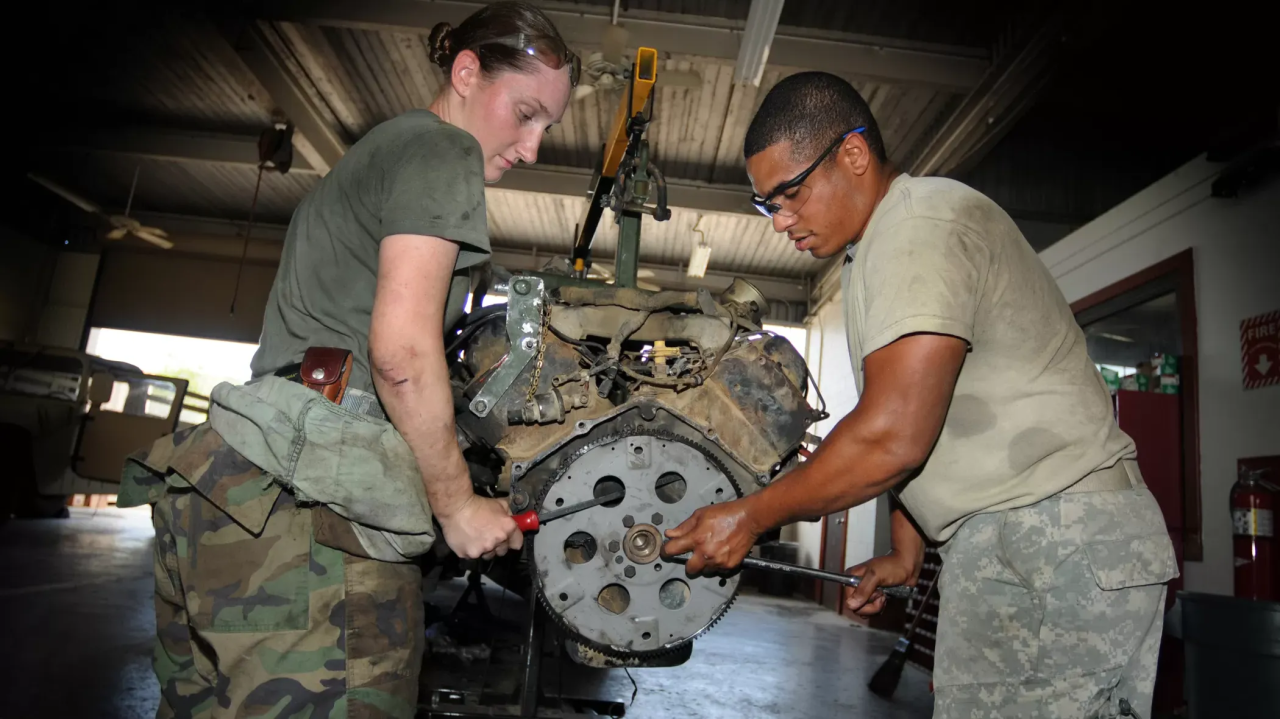
Through root-cause diagnostics, scheduled refurbishment, and multi-OEM integration, we help fleets regain dependable mobility without introducing new vehicle types, altering established configurations, or disrupting operational schedules.
The focus is clear: restore propulsion reliability while preserving platforms already proven in service—along with the training systems, logistics chains, and deployment plans built around them.
From Reactive Maintenance to Predictable Readiness
By applying OEM-aligned processes, planned sustainment cycles, and decades of heavy-duty fleet experience, our approach helps military organizations:
- reduce recurring and cascading failures
- stabilize propulsion performance across entire fleets
- improve confidence in maintenance planning
- extend operational life well beyond original design assumptions
Authorized repair capability across multiple major OEM powertrain systems allows work to be executed to manufacturer specifications while maintaining traceability, quality control, and compliance.
The outcome is not just repaired vehicles—but predictable availability and restored trust in ground mobility under operational conditions.
When Military Organizations Choose Damera Defence
Defence organizations typically turn to us when:
- recurring powertrain issues persist despite repeated part replacements
- engines, transmissions, and drivetrains require planned refurbishment
- fleets span multiple OEMs with fragmented documentation and support
- maintenance must still meet OEM-aligned procedures and quality controls
- leadership requires predictable outcomes, not repeated downtime
- reliability must be restored without replacing proven platforms
In these scenarios, Damera Defence acts as a powertrain sustainment partner, delivering structured maintenance, refurbishment, and overhaul programs that stabilize fleet performance and reintroduce predictability into readiness planning.
Restoring Confidence in Ground Mobility
Sustaining military mobility is no longer about keeping vehicles running at all costs. It is about managing propulsion systems deliberately, with the technical depth and discipline required to support long-term operations.
By treating the powertrain as an integrated system—and sustainment as a strategic function—military organizations can continue to rely on aging fleets with confidence, even as operational demands increase.
If your organization is evaluating powertrain reliability, recurring failures, or long-term sustainment strategy, contact us to discuss how structured powertrain sustainment can restore predictability and mission confidence across your fleet.








.svg)