









-p-500-p-500.avif)








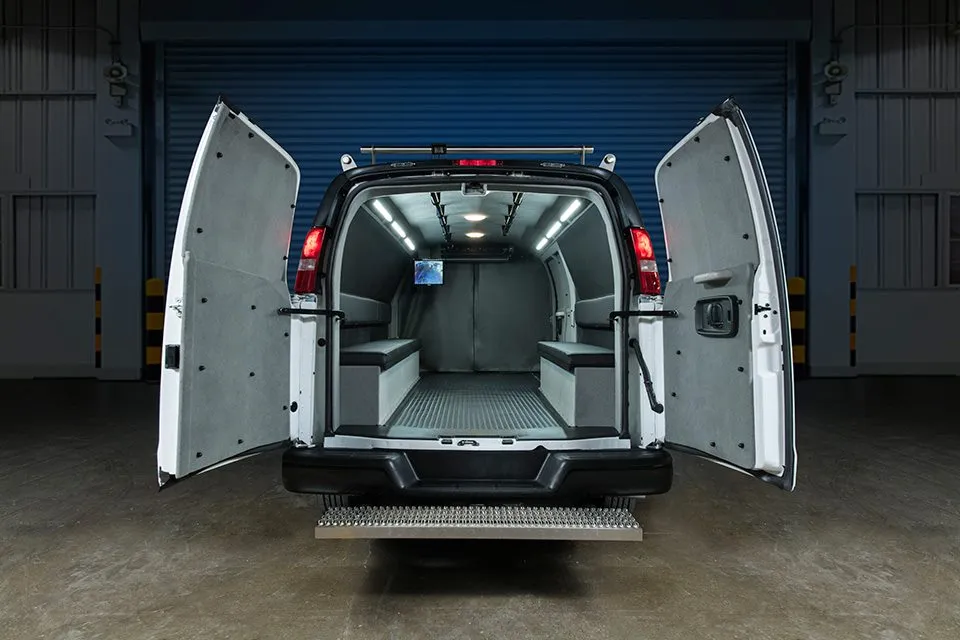


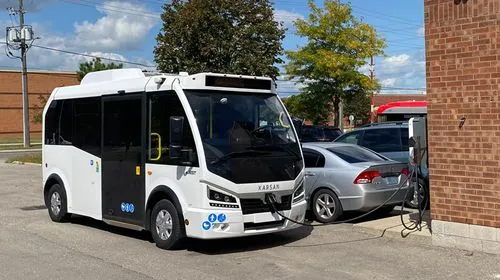
All Chargers
Explore all charging options on one page
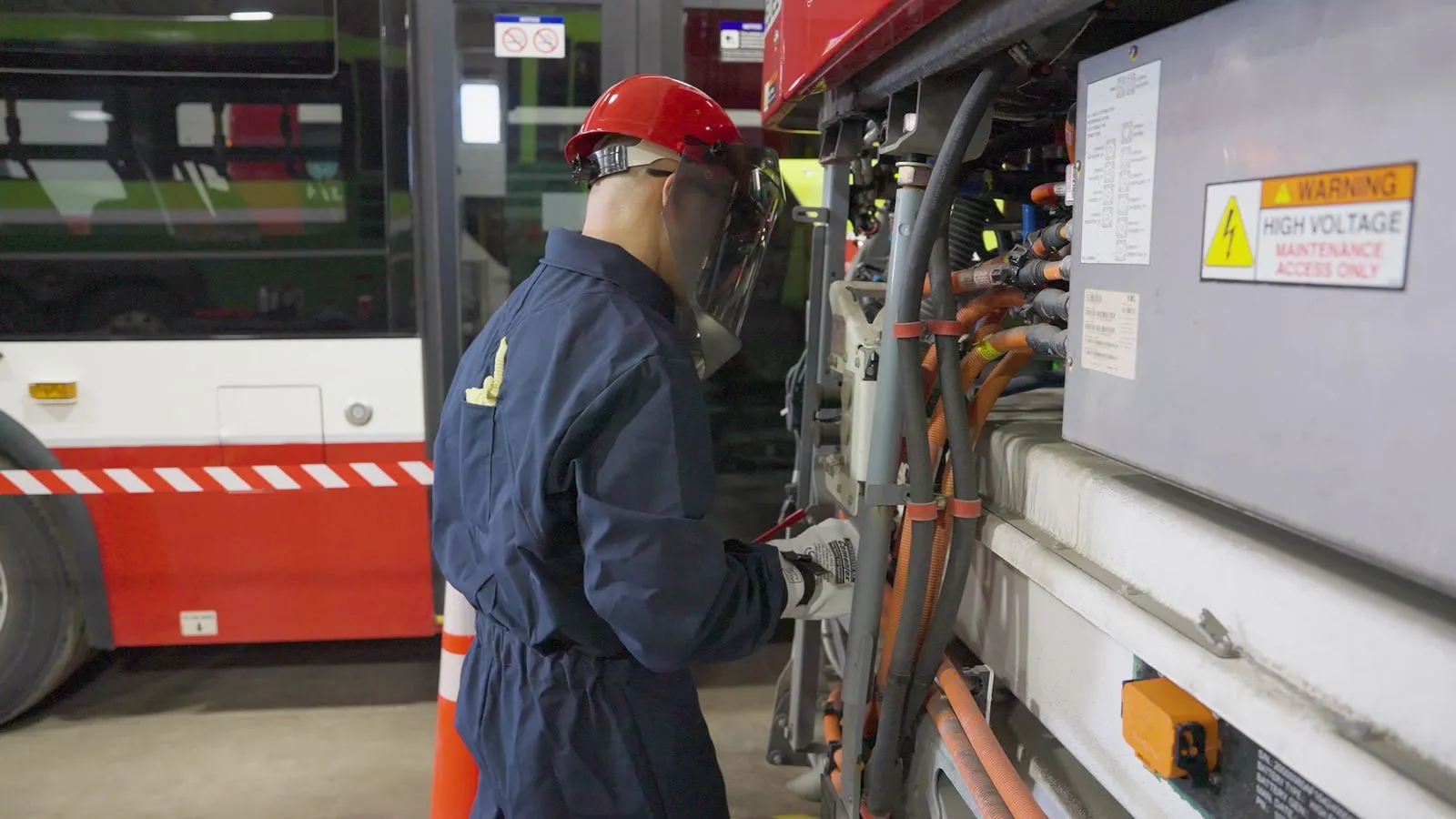
TUV Level 3
High Voltage Training

Work safely and effectively with high-voltage systems
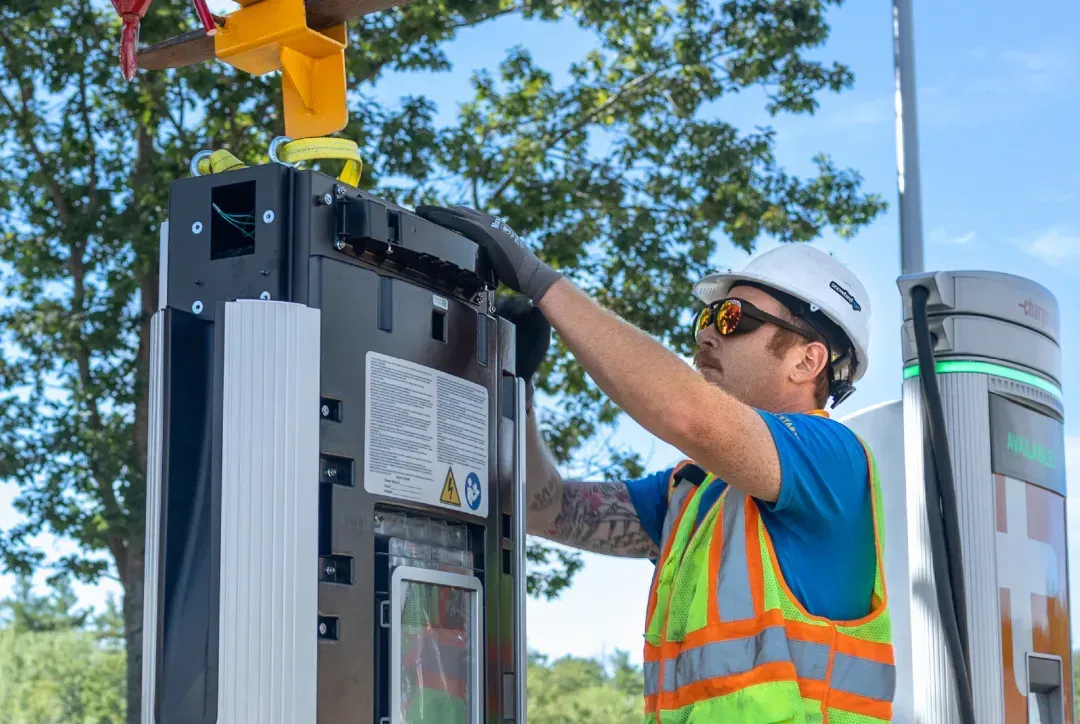
Charger Installation
Contributes to the seamless integration of electric vehicles
Electrical Engineering
Get your skills in electrical engineering tailored to the transit industry
Bus Service (MBCT)
Comprehensive bus service ensuring reliable maintenance, repairs, and safety compliance.
There is no previous post
Previous Post
Next Post
There is no next post
Secure Demilitarization: Responsible Lifecycle Transition for Military Fleets
No items found.
Managing the Final Phase of the Fleet Lifecycle
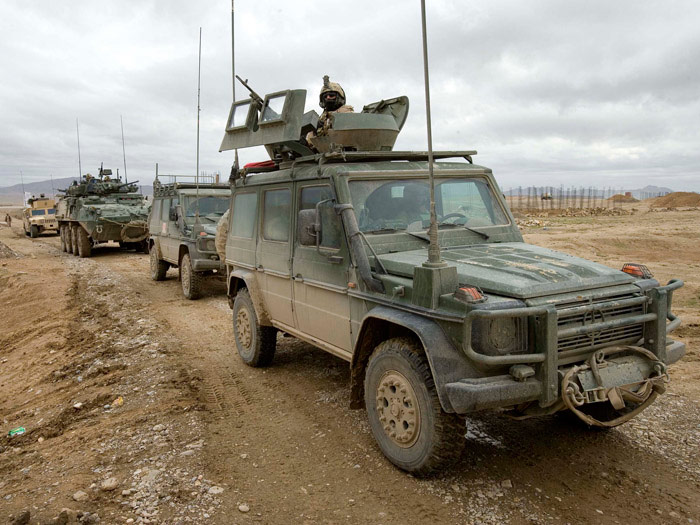
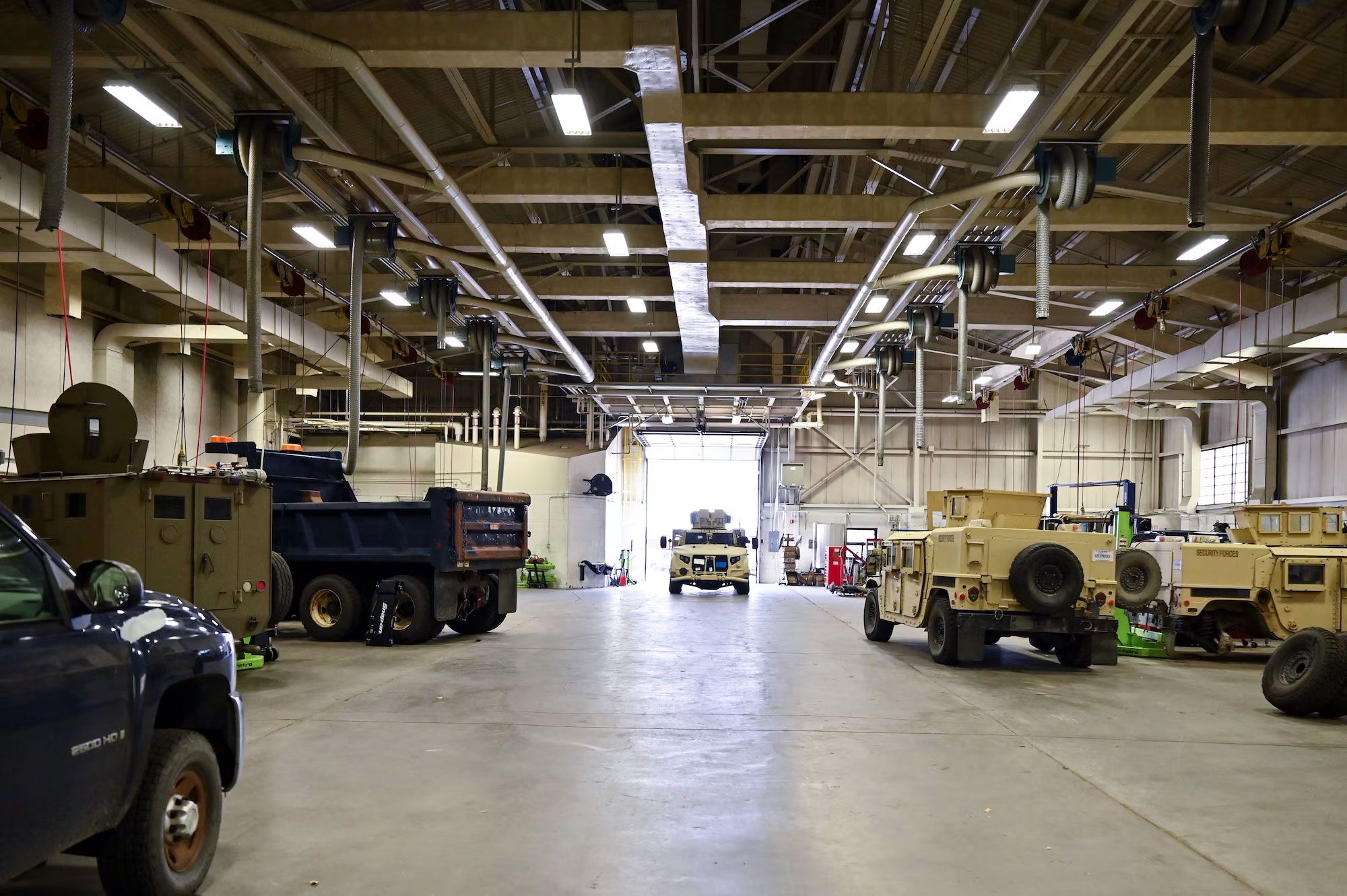
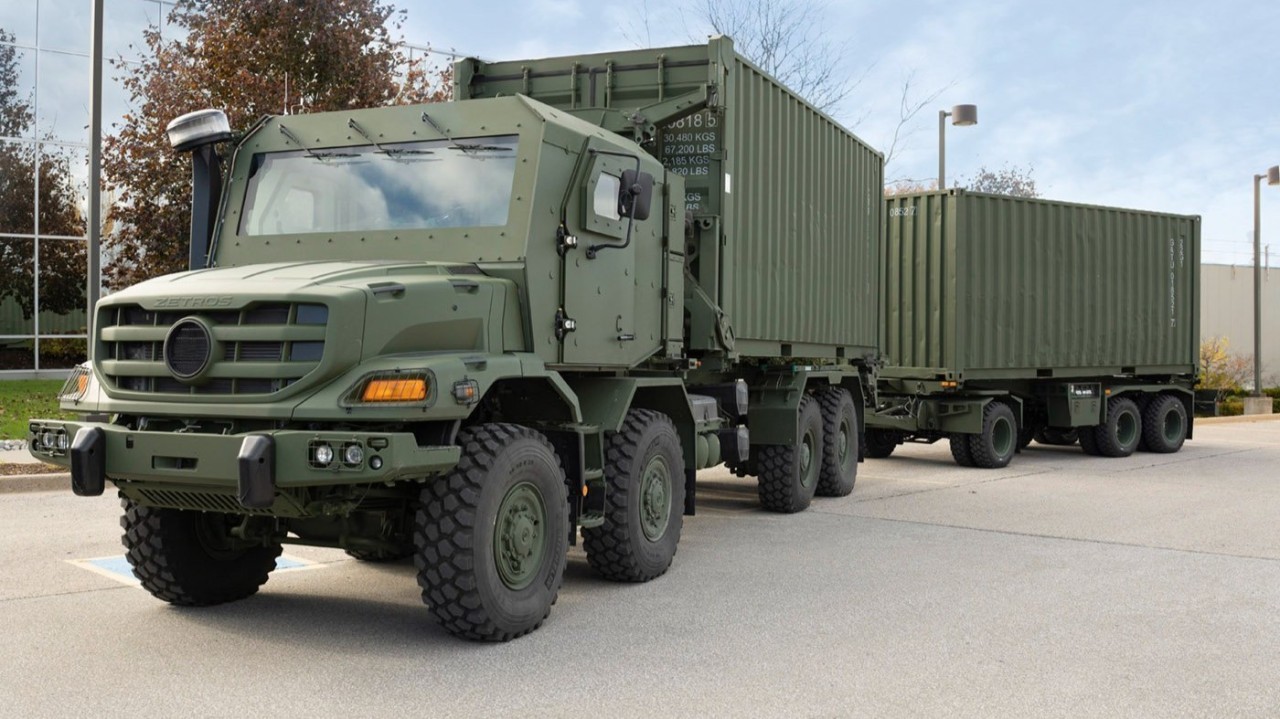
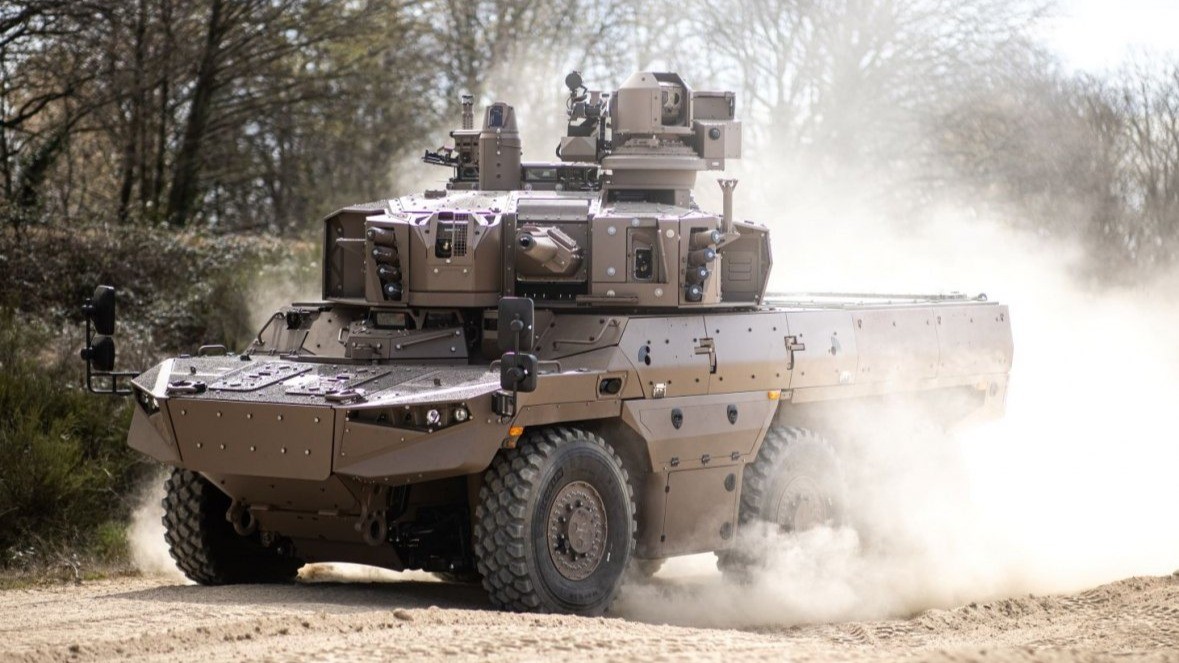
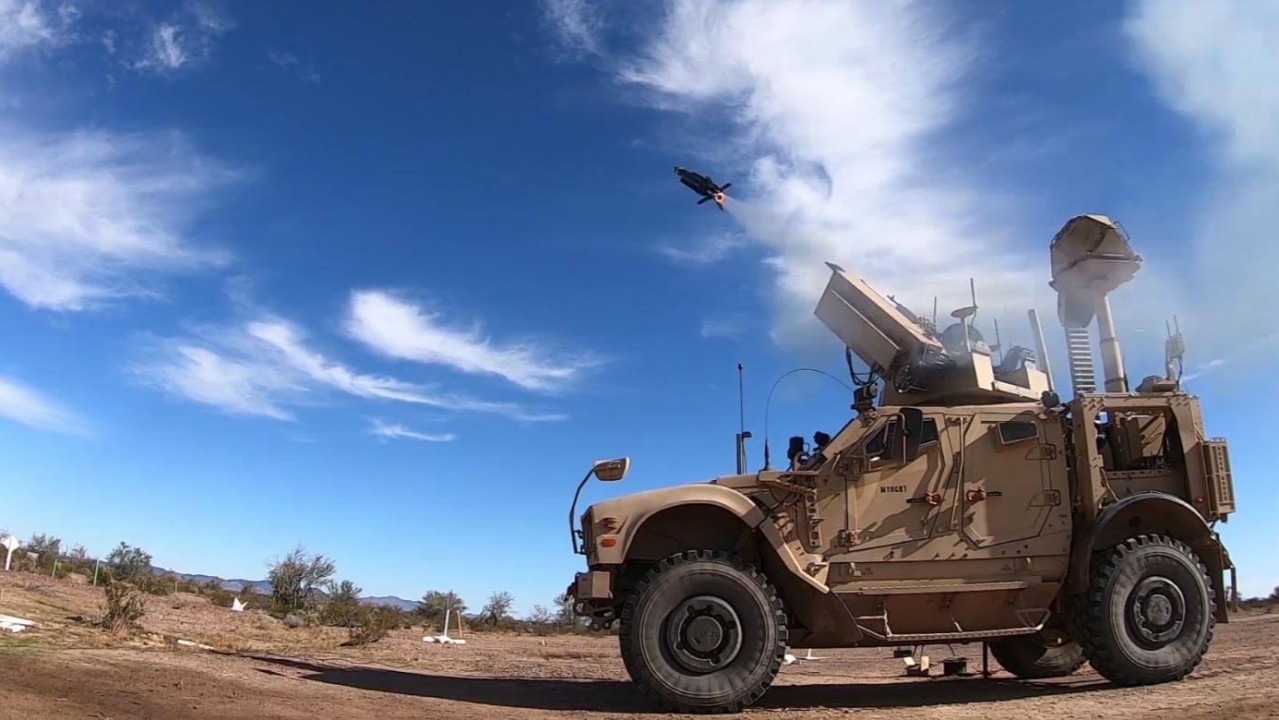
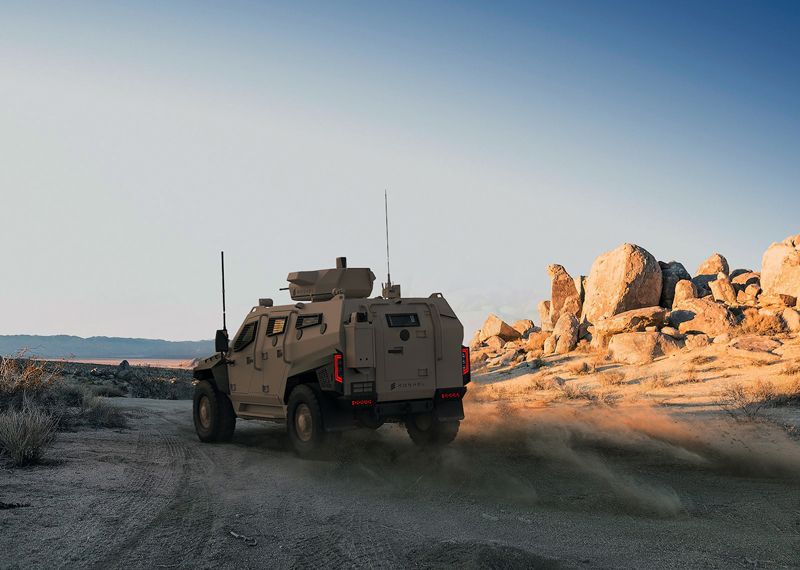
Every military platform reaches a point where continued operational use is no longer practical. Yet even after retirement, these vehicles still pose technical, security, and regulatory considerations that must be handled with precision. That is where demilitarization plays a critical role.
Demilitarization is not merely a disposal task — it is a controlled and compliant process designed to protect sensitive systems, prevent unauthorized reuse, and ensure safe transition into civilian applications, training roles, or material recovery streams, including the removal or neutralization of military markings and paint.
At Damera Defence, we treat demilitarization with the same engineering discipline and accountability that define our sustainment, refurbishment, and MRO programs.
What Demilitarization Means for Modern Military Fleets
Demilitarization is the systematic removal, neutralization, or destruction of military-specific components within vehicles scheduled for retirement or repurposing.
The process ensures that:
- Sensitive technologies remain protected
- Classified capabilities cannot be reactivated or exported
- Environmental and hazardous-material standards are met
- Recovered components are handled safely and responsibly
- Compliance is maintained across Canadian, NATO, and international frameworks
It is a critical safeguard that supports national security and responsible fleet lifecycle management.
Why Defence Organizations Cannot Skip This Step
Modern vehicles contain increasingly complex subsystems:
- Encrypted communications
- Digital sensors
- Armoured structures
- Secure power electronics
- Specialized mounts or protection kits
These cannot simply be removed informally or left intact during resale or disposal.
A structured demilitarization program ensures:
🔹 Security
Sensitive technologies are accounted for, deactivated, or destroyed according to strict protocols.
🔹 Compliance
Processes align with regulatory requirements such as NATO LCM, ITAR, CGP, export controls, environmental laws, and end-use monitoring.
🔹 Sustainability
Valuable metals, materials, and non-sensitive components can be recovered and recycled.
🔹 Fleet Renewal
By clearing out obsolete systems responsibly, organizations free up space, resources, and budget for next-generation equipment.
Demilitarization is both a security requirement and a strategic enabler.
How Damera Defence Manages Demilitarization
Our team integrates demilitarization within a broader lifecycle approach — the same philosophy that guides our MRO, refurbishment, retrofit, and systems integration programs.
We understand the entire platform, which allows us to decommission it safely and efficiently.
1️⃣ Technical Assessment
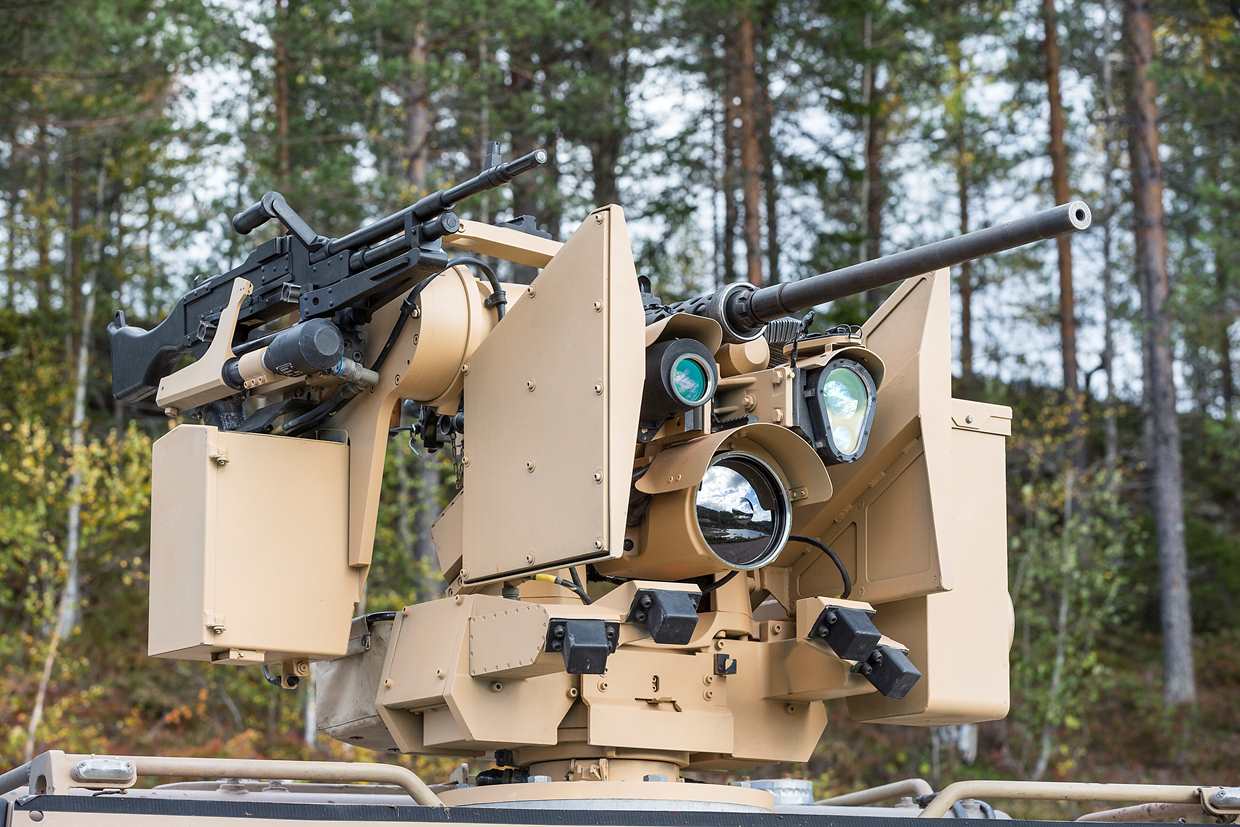
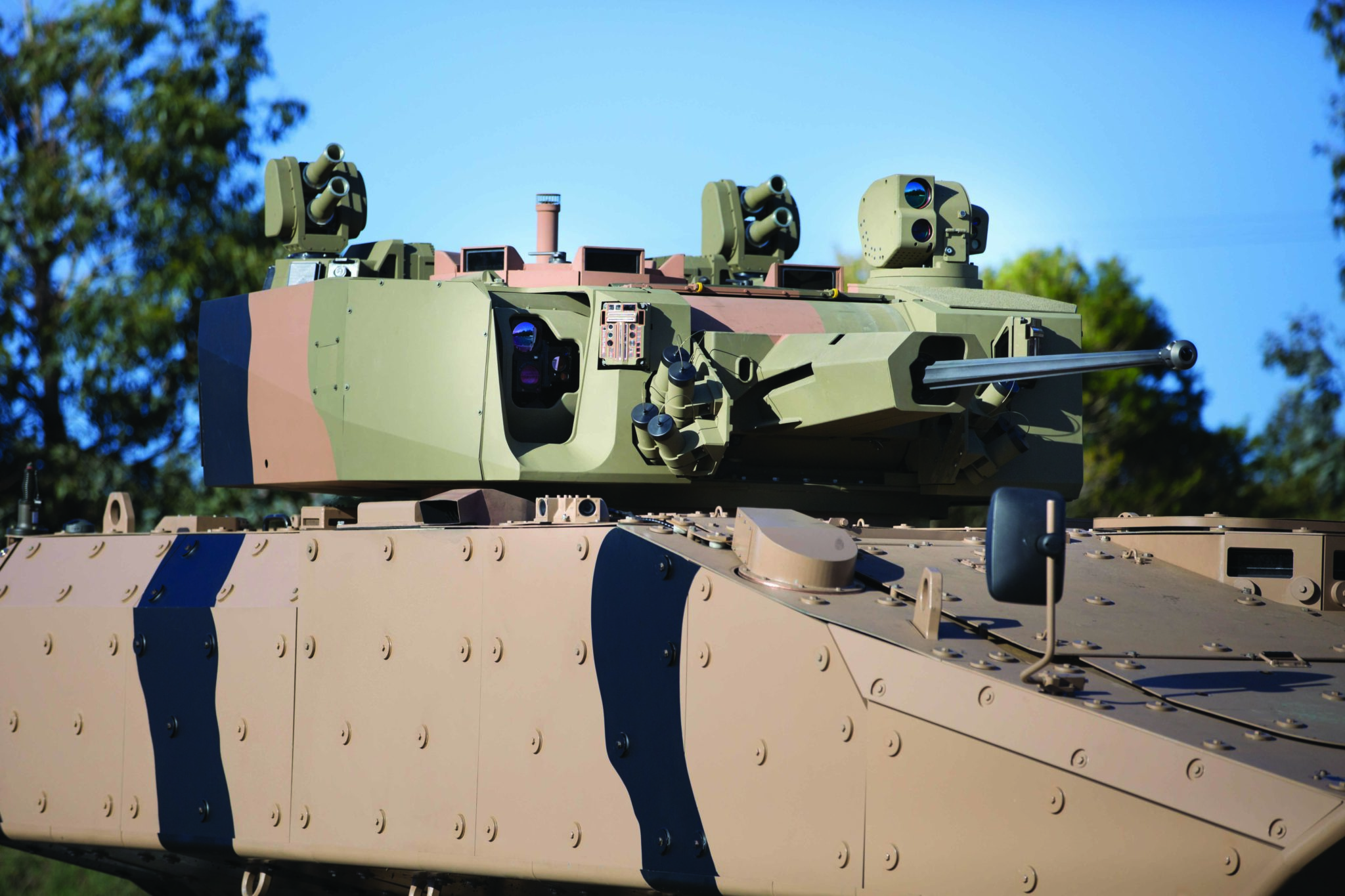
We document all military-specific subsystems, including armour kits, communications equipment, weapon mounts, electronics, and any embedded classified components.
2️⃣ Controlled System Removal
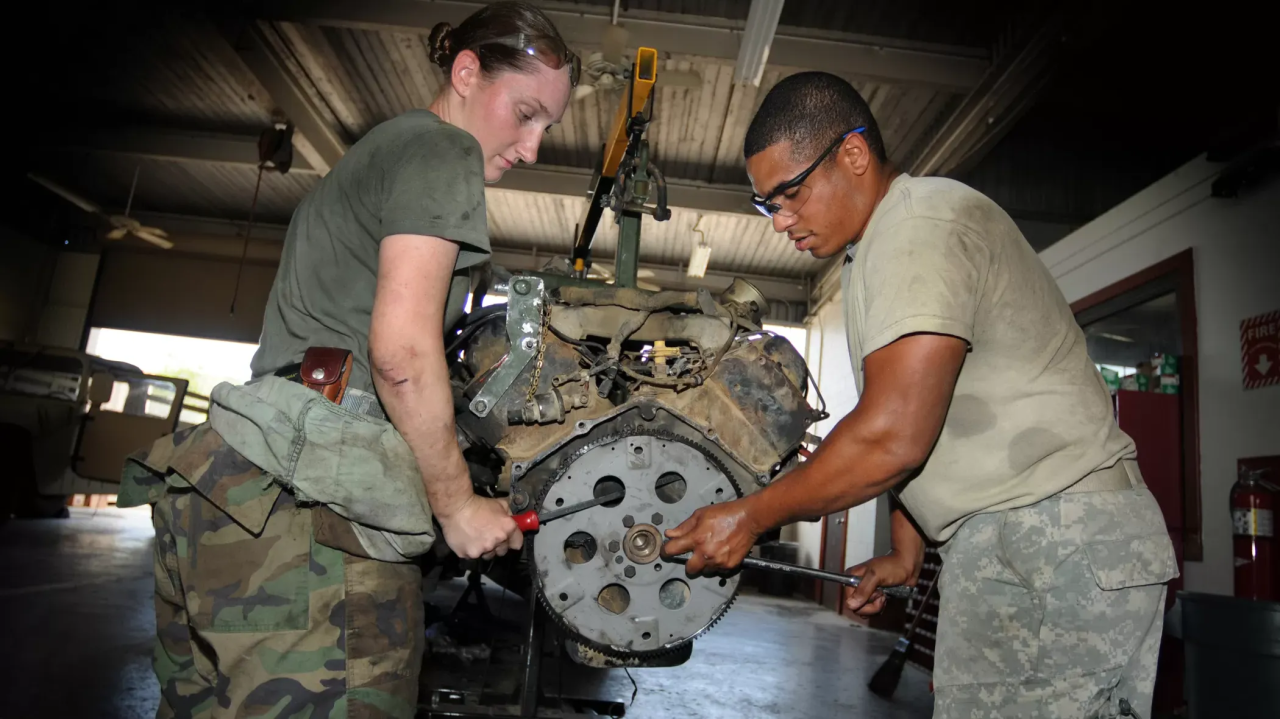
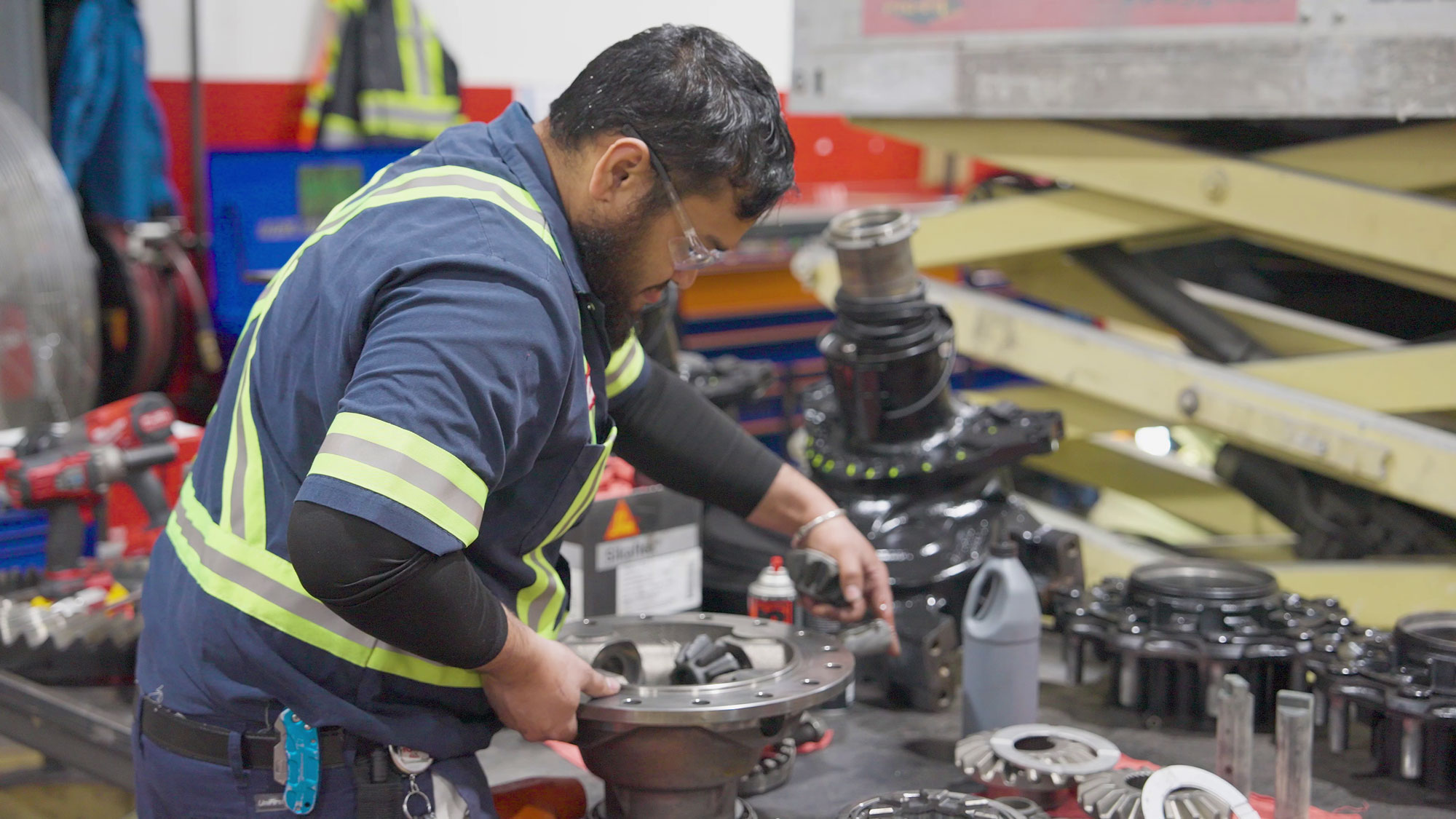
Technicians trained in OEM and defence protocols remove sensitive equipment using certified tools and documented workflows.
3️⃣ Neutralization & Deactivation
Systems that cannot be repurposed — such as encrypted electronics, fire control mechanisms, or ballistic protection — are disabled or destroyed under controlled conditions.
4️⃣ Sustainable Recycling & Material Recovery
Where suitable, components and metals are reclaimed for training, secondary use, or recycling, reducing environmental impact and waste.
5️⃣ Certification & Documentation
We produce complete, traceable records:
- Removal lists
- Destruction certificates
- Photographic evidence
- Compliance reports
- Audit-ready documentation
This provides full accountability for regulators, procurement authorities, and international partners.
Best Practices That Define Our Work
Damera Defence follows demilitarization standards aligned with:
- NATO Allied Publication guidance
- National demilitarization and disposal policies
- OEM deactivation requirements
- Environmental regulations and hazardous-material codes
Our process is shaped by the same rigor that governs our MRO and integration work:
- Traceable procedures from intake to certification
- Authorized equipment and tooling
- Controlled workflows for hazardous or sensitive materials
- Coordination with OEMs to ensure safe removal or non-reactivation
- Compliance-focused quality assurance throughout the process
Demilitarization is not a single task — it is a multi-stage, audit-ready workflow that protects national interests.
Our Perspective: Responsibility Across the Entire Lifecycle
For Damera Defence, sustainment does not end when a vehicle leaves service.
Lifecycle responsibility includes safe introduction, reliable operation, modernization, and ultimately secure demilitarization.
Our experience in:
- MRO
- System integration
- High-voltage servicing
- Refurbishment
- Heavy-vehicle diagnostics
- Retrofit programs
gives us a holistic understanding of the platforms we decommission.
We see the entire picture — from first deployment to final disposition.
Because readiness is not only built through modernization.
It is preserved through responsible transition.
Explore Secure Demilitarization for Your Fleet
If your organization is preparing to retire, resell, or transition vehicles out of service, our team provides technical consulting, hands-on demilitarization programs, and compliance support tailored to national and NATO frameworks.
Contact us to safeguard sensitive systems and manage the end-of-life process with precision and accountability.







.svg)